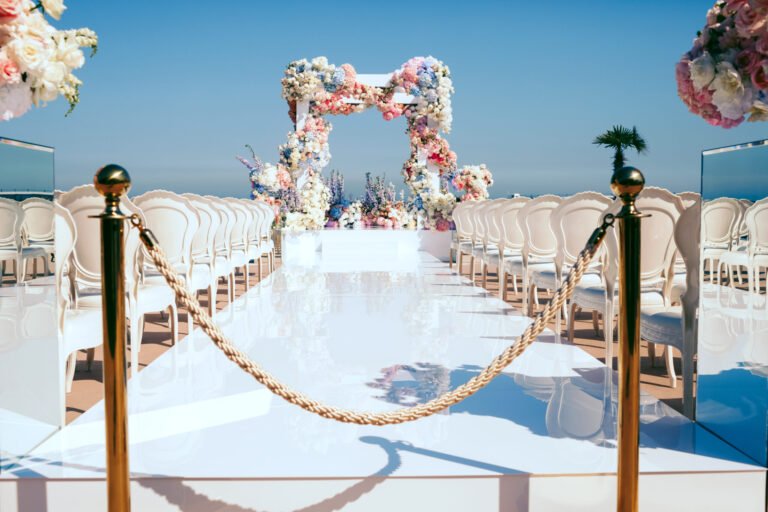
Muslim Weddings
A Muslim wedding, also known as a “Nikah” ceremony, is a significant and sacred event in Islamic culture that celebrates the union of a man and a woman in marriage.
Muslim weddings in Greece vary in customs and traditions based on the specific cultural and regional practices of the individuals involved, but there are several key elements that are common to most Muslim weddings. Here’s an overview of a traditional Muslim wedding:
Marriage Contract (Nikah):
The Nikah is a fundamental part of the wedding ceremony. It involves the signing of a marriage contract that outlines the rights and responsibilities of the husband and wife. The contract is agreed upon by the bride, groom, and their families, and it is typically conducted in the presence of a religious leader or officiant.
Mahr (Dower):
As part of the Nikah, the groom agrees to provide a financial gift or dower (mahr) to the bride. This represents a symbol of the husband’s commitment to taking care of his wife’s financial needs.
Wali and Witnesses:
In the presence of at least two male witnesses, the bride’s guardian (wali) usually gives her consent to the marriage. The groom also confirms his acceptance of the marriage terms.
Khutbah:
A religious leader or Imam may deliver a sermon (khutbah) that emphasizes the importance of marriage in Islam and offers advice to the couple.
Exchange of Vows:
The bride and groom may exchange vows and express their commitment to one another.
Du’a (Prayers):
Special prayers are offered to seek Allah’s blessings and guidance for the couple’s future life together.
Walima:
The Walima is a reception or banquet hosted by the groom’s family as a way of celebrating the marriage. It is a joyous event where family and friends gather to offer their blessings to the newlywed couple and enjoy a meal together.
Traditional Attire:
The bride and groom often wear traditional clothing. The bride may wear a beautiful wedding gown or a traditional bridal outfit, while the groom may wear a sherwani, kurta, or a suit.
Post-Wedding Customs:
After the wedding, the newlyweds may go to the bride’s family’s home for a short visit before moving into their new life together. They may also receive blessings and gifts from family and friends.
It's important to note that while these elements are common to most Muslim weddings, specific customs, traditions, and the order of events may vary among different Muslim communities and cultures. Additionally, some Muslim couples choose to have a separate legal civil marriage in addition to the religious Nikah ceremony, to meet legal requirements in their respective countries.